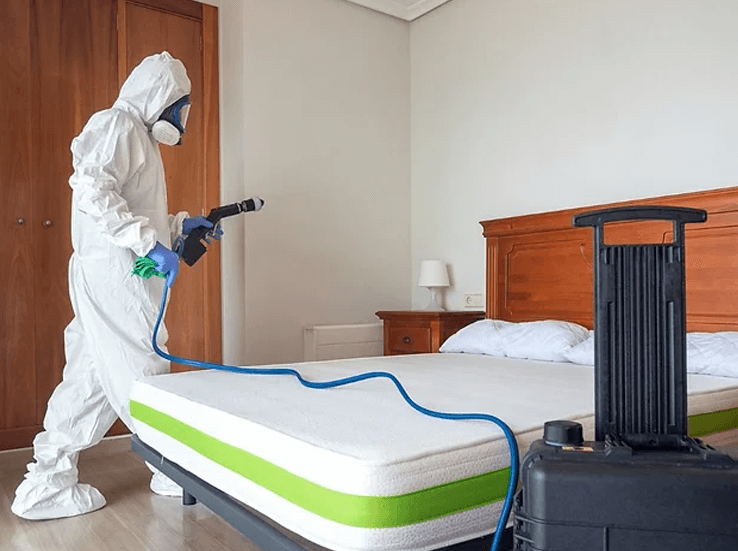
Why Residential Pest Control Matters
Health Risks of Common Household Pests
Pests like rodents, cockroaches, and mosquitoes are known carriers of diseases. For example:- Rodents can spread Hantavirus, Salmonella, and Leptospirosis through their droppings and urine.
- Cockroaches trigger asthma and allergies, especially in children, due to their shed skin and feces.
- Mosquitoes are vectors for diseases like malaria, dengue, and Zika virus.
Structural Damage
Termites, carpenter ants, and wood-boring beetles can compromise the integrity of your home. Termites alone cause over $5 billion in property damage annually in the U.S., often going undetected until significant harm is done.Peace of Mind
A pest-free home ensures comfort and safety for your family. Professional pest control services provide preventive measures that DIY solutions often lack.Core Elements of Effective Residential Pest Control Services
1. Comprehensive Inspection
A thorough inspection is the foundation of any effective pest control plan. Professionals should:- Identify Pest Types: Determine the specific pests present (e.g., termites, bed bugs, ants).
- Locate Entry Points: Check for cracks, gaps, and other vulnerabilities in walls, roofs, and foundations.
- Assess Damage: Evaluate the extent of infestation and any structural or health risks.
- Customize Solutions: Tailor treatments based on the unique needs of your home.
2. Integrated Pest Management (IPM)
IPM is a science-based, eco-friendly approach that combines multiple strategies for long-term pest control. Key components include:Biological Controls
- Use of natural predators (e.g., ladybugs for aphids) or microbial insecticides (e.g., Bacillus thuringiensis for caterpillars).
Mechanical Controls
- Physical barriers like screens, seals, and traps to prevent pest entry.
Chemical Controls (Last Resort)
- Targeted use of pesticides, only when necessary, to minimize environmental impact.
Cultural Controls
- Modifying the environment to make it less hospitable to pests (e.g., proper waste management, reducing moisture).
3. Customized Treatment Plans
No two homes are alike, and neither are their pest control needs. A reputable service provider will:- Develop a Tailored Strategy: Address the specific pests and conditions of your property.
- Use Targeted Treatments: Apply methods like bait stations for rodents, insect growth regulators for cockroaches, or termite barriers.
- Consider Seasonal Factors: Adjust treatments based on seasonal pest activity (e.g., mosquitoes in summer, rodents in winter).
4. Preventive Measures
The best pest control is proactive. Top services include:- Sealing Entry Points: Caulking cracks, installing door sweeps, and repairing damaged screens.
- Landscaping Adjustments: Trimming bushes away from the house, removing standing water, and keeping firewood stored away from the home.
- Regular Maintenance: Scheduled inspections and treatments to catch issues early.
5. Safe and Eco-Friendly Products
Modern pest control prioritizes low-toxicity and environmentally responsible solutions. Look for services that use:- EPA-Approved Products: Pesticides registered with the Environmental Protection Agency for safety and efficacy.
- Organic and Natural Options: Plant-based repellents (e.g., peppermint oil for spiders) or diatomaceous earth for crawling insects.
- Pet and Child-Safe Treatments: Non-toxic methods for homes with vulnerable occupants.
6. Professional Expertise and Certification
Not all pest control companies are created equal. Ensure your provider:- Holds Proper Licenses: Certified by state or national pest control associations.
- Employs Trained Technicians: Staff should be knowledgeable about pest biology, behavior, and the latest control techniques.
- Stays Updated: Regular training on new methods, regulations, and safety protocols.
- Offer one-size-fits-all solutions.
- Use unlabeled or illegal pesticides.
- Lack transparency about their methods.
7. Guarantees and Follow-Up Services
A confident pest control provider will stand by their work with:- Service Guarantees: Free retreatment if pests return within a specified period.
- Follow-Up Inspections: Regular check-ups to ensure long-term effectiveness.
- Customer Support: Accessible for questions or concerns post-treatment.
8. Transparency and Education
The best pest control services empower homeowners with knowledge. They should:- Explain the Process: Clearly outline the steps, products, and expected outcomes.
- Provide Prevention Tips: Educate clients on how to maintain a pest-free home.
- Offer Detailed Reports: Document findings, treatments applied, and recommendations.
Common Residential Pests and How to Control Them
| Pest | Signs of Infestation | Control Methods | Prevention Tips |
|---|---|---|---|
| Termites | Mud tubes, discarded wings, hollow wood | Bait systems, liquid termiticides, barriers | Remove wood-to-soil contact, fix leaks |
| Bed Bugs | Itchy bites, bloodstains on sheets | Heat treatment, insecticides, steam cleaning | Inspect luggage, use mattress encasements |
| Rodents | Droppings, gnaw marks, nests | Traps, rodenticides, exclusion | Seal entry points, store food securely |
| Cockroaches | Droppings, musty odor, egg cases | Baits, insect growth regulators, sanitation | Eliminate food/water sources, seal cracks |
| Ants | Trails, small piles of sawdust | Baits, barrier sprays, sanitation | Keep surfaces clean, store food in containers |
| Mosquitoes | Itchy bites, standing water | Larvicides, fogging, traps | Eliminate standing water, use repellents |
DIY vs. Professional Pest Control: Which Is Right for You?
DIY Pest Control
Pros:- Lower upfront cost.
- Immediate action for minor issues.
- Limited effectiveness for large or recurring infestations.
- Risk of misusing pesticides (health and safety hazards).
- No long-term prevention strategy.
Professional Pest Control
Pros:- Expertise: Technicians understand pest behavior and biology.
- Customized Solutions: Tailored to your home’s specific needs.
- Safety: Proper use of chemicals and eco-friendly options.
- Guarantees: Many companies offer retreatment if pests return.
- Higher initial cost (but cost-effective long-term).
- Recurring infestations.
- Large or widespread pest problems.
- Pests that pose health risks (e.g., rodents, bed bugs).
- Structural damage (e.g., termites).
How to Choose the Right Residential Pest Control Service
1. Research and Reviews
- Check online reviews (Google, Yelp, BBB).
- Ask for referrals from friends, family, or neighbors.
- Look for complaints with local consumer protection agencies.
2. Licensing and Insurance
- Verify the company is licensed in your state.
- Ensure they carry liability insurance to cover any damages.
3. Experience and Reputation
- How long have they been in business?
- Do they specialize in residential pest control?
- Are their technicians certified?
4. Treatment Methods
- Do they use IPM or eco-friendly options?
- Are their products safe for children and pets?
- Do they offer preventive services?
5. Pricing and Guarantees
- Get multiple quotes to compare prices.
- Ask about guarantees and follow-up services.
- Avoid companies that pressure you into unnecessary treatments.
6. Customer Service
- Are they responsive and professional?
- Do they provide clear communication?
- Are they willing to educate you about pest prevention?
The Future of Residential Pest Control
The pest control industry is evolving with technology and innovation:- Smart Traps: IoT-enabled traps that alert homeowners to pest activity in real time.
- Drones: Used for inspecting hard-to-reach areas (e.g., roofs, attics).
- AI and Machine Learning: Predictive analytics to identify high-risk areas and optimize treatment plans.
- Green Pest Control: Increasing demand for non-toxic, sustainable solutions.
Residential pest control is not just about eliminating pests—it’s about protecting your home, health, and peace of mind. By understanding the core elements of effective pest control services—inspection, IPM, customized plans, prevention, safety, expertise, guarantees, and transparency—you can make informed decisions when choosing a provider. Whether you opt for DIY methods or professional services, prioritize long-term solutions over quick fixes. And remember: prevention is always better than cure.
If you’re dealing with a pest problem or want to safeguard your home, start by:
- Inspecting your property for signs of pests.
- Researching local pest control companies with strong reputations.
- Scheduling a professional inspection to assess your needs.
FAQs
1. How often should I schedule pest control services?
- Quarterly for general prevention.
- Monthly for high-risk areas or severe infestations.
- Seasonally for pests like mosquitoes or rodents.
2. Are pest control chemicals safe for pets and children?
- Yes, if applied by professionals using EPA-approved, low-toxicity products. Always follow technician instructions (e.g., keeping pets away during treatment).
3. How can I prevent pests naturally?
- Seal entry points (cracks, gaps).
- Eliminate food and water sources (store food in airtight containers, fix leaks).
- Maintain cleanliness (regularly vacuum, take out trash).
- Use natural repellents (e.g., peppermint oil, vinegar).
4. What’s the average cost of residential pest control?
- One-time treatment: $100–$300.
- Monthly service: $40–$100.
- Quarterly service: $100–$300 per year.
- Termite treatment: $500–$2,500 (depending on severity).
5. How long does it take to get rid of pests?
- Immediate results for some pests (e.g., ants, spiders).
- Weeks to months for others (e.g., bed bugs, termites).
- Ongoing prevention is key to long-term success.