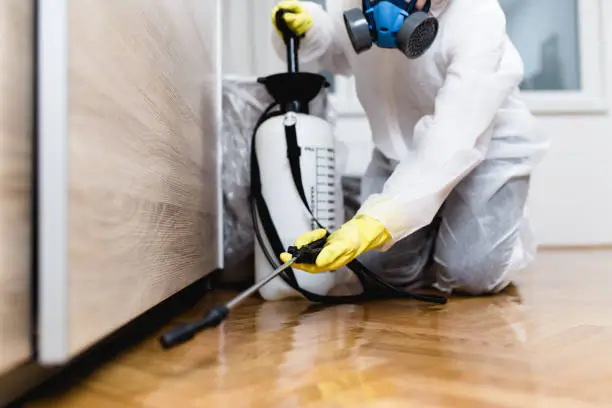
Why Commercial Pest Control Matters
1. Health and Safety Compliance
Pests like rodents, cockroaches, and flies are known carriers of diseases such as Salmonella, E. coli, and Hantavirus. In industries like food service, healthcare, and hospitality, a single pest sighting can lead to fines, legal action, or even business closure. Regulatory bodies such as the FDA, OSHA, and local health departments mandate strict pest control measures to ensure public safety.Example: A restaurant in New York was fined $15,000 and temporarily shut down after a health inspection revealed a cockroach infestation in the kitchen.
2. Protecting Your Reputation
A pest infestation can tarnish a business’s reputation overnight. In the age of social media, a single viral post about pests in your establishment can lead to lost customers, negative reviews, and long-term brand damage. Proactive pest control helps maintain a clean, professional image that customers trust.3. Preventing Property Damage
Pests like termites, carpenter ants, and rodents can cause structural damage to buildings, wiring, and inventory. For example:- Termites can compromise the integrity of wooden structures.
- Rodents chew through electrical wires, increasing the risk of fires.
- Stored product pests (e.g., beetles, moths) contaminate food supplies, leading to costly recalls.
Core Elements of Commercial Pest Control Services
To effectively manage pests, commercial pest control services rely on a multi-faceted approach. Below are the core elements that every business should consider:1. Inspection and Assessment
Why It’s Important
A thorough inspection is the foundation of any pest control program. It helps identify:- Current infestations (type of pest, severity, and location).
- Potential entry points (cracks, gaps, poor sanitation).
- Conducive conditions (moisture, clutter, food sources).
How It’s Done
- Visual Inspections: Technicians examine the interior and exterior of the property, including storage areas, waste disposal zones, and entry points.
- Monitoring Devices: Traps, bait stations, and pheromone monitors are used to track pest activity.
- Documentation: Detailed reports are created to map out hotspots and recommend corrective actions.
Pro Tip: Regular inspections (quarterly or bi-annually) help catch pest issues before they escalate.
2. Customized Treatment Plans
Why One-Size-Fits-All Doesn’t Work
Every business has unique pest control needs based on:- Industry (e.g., food processing vs. retail).
- Location (urban vs. rural, climate).
- Building Structure (age, layout, materials).
Common Treatment Methods
| Method | Best For | Pros | Cons |
|---|---|---|---|
| Chemical Treatments | General pests (ants, roaches, spiders) | Fast-acting, broad coverage | May require evacuation, environmental concerns |
| Biological Control | Organic farms, eco-friendly businesses | Non-toxic, sustainable | Slower results, limited pest range |
| Mechanical Traps | Rodents, insects | Humane, chemical-free | Requires frequent monitoring |
| Heat/Fumigation | Severe infestations (bed bugs, termites) | 100% eradication | Expensive, temporary relocation needed |
| Integrated Pest Management (IPM) | Long-term prevention | Holistic, eco-friendly | Requires ongoing commitment |
Integrated Pest Management (IPM)
IPM is a sustainable, science-based approach that combines multiple strategies:- Prevention: Sealing entry points, improving sanitation.
- Monitoring: Regular inspections and trapping.
- Control: Targeted use of pesticides only when necessary.
- Education: Training staff on pest prevention best practices.
Case Study: A hotel chain reduced pest-related complaints by 70% after implementing an IPM program, saving $50,000 annually in extermination costs.
3. Preventive Measures
Exclusion Techniques
Preventing pests from entering is cheaper and easier than eliminating them. Key strategies include:- Sealing Cracks and Gaps: Use caulk, steel wool, or door sweeps to block entry points.
- Installing Screens: Windows, vents, and doors should have fine mesh screens.
- Proper Waste Management: Ensure trash bins are sealed, emptied regularly, and stored away from the building.
Sanitation Practices
Pests thrive in dirty, cluttered environments. Businesses should:- Clean spills immediately (especially in kitchens and storage areas).
- Store food in airtight containers (including pet food and birdseed).
- Remove standing water (fix leaks, empty trays under plants).
Landscaping and Exterior Maintenance
- Trim vegetation away from the building to eliminate pest harborage.
- Keep gutters clean to prevent water buildup.
- Use outdoor lighting wisely (some lights attract insects).
4. Ongoing Monitoring and Documentation
Why Monitoring Matters
Pest problems can reoccur if not continuously monitored. Regular checks help:- Identify new infestations early.
- Assess the effectiveness of treatments.
- Ensure compliance with regulations.
Tools for Monitoring
- Pheromone Traps: Attract and capture specific pests (e.g., moths, flies).
- Glue Boards: Monitor rodent and insect activity.
- Digital Reporting: Many pest control companies use software to track trends and generate reports.
Documentation for Compliance
Businesses in regulated industries (e.g., food, healthcare) must maintain records of:- Inspection dates and findings.
- Treatment methods and chemicals used.
- Corrective actions taken.
Regulatory Note: The FDA’s Food Code requires food establishments to have written pest control logs available for inspection.
5. Staff Training and Awareness
The Role of Employees in Pest Control
Employees are the first line of defense against pests. Training should cover:- Signs of Pest Activity: Droppings, gnaw marks, unusual odors.
- Proper Sanitation: How to store food, dispose of waste, and clean work areas.
- Reporting Procedures: Who to notify if pests are spotted.
Training Programs
- Onboarding: Include pest awareness in new hire training.
- Refresher Courses: Conduct annual training to reinforce best practices.
- Role-Specific Training: Tailor programs for kitchen staff, janitorial teams, and warehouse workers.
Example: A manufacturing plant reduced pest sightings by 40% after implementing a monthly pest awareness workshop for employees.
6. Emergency Response Plans
When to Act Fast
Some pest infestations require immediate action, such as:- Bed bugs in hotels or apartments.
- Termites in wooden structures.
- Rodents in food storage areas.
Steps for Emergency Response
- Isolate the Area: Prevent pests from spreading to other parts of the facility.
- Contact a Professional: DIY methods often fail for large-scale infestations.
- Follow Up: After treatment, monitor the area to ensure pests are completely eradicated.
Choosing the Right Commercial Pest Control Provider
Not all pest control companies are created equal. When selecting a provider, consider the following:1. Licensing and Certification
- Ensure the company is licensed by your state’s pest control regulatory agency.
- Look for certifications from NPMA (National Pest Management Association) or GreenPro (for eco-friendly services).
2. Experience and Expertise
- Choose a company with experience in your industry (e.g., food service, healthcare, retail).
- Ask for case studies or references from similar businesses.
3. Customized Solutions
- Avoid companies that offer generic treatments. Your business needs a tailored plan.
- Request a detailed proposal outlining inspection, treatment, and prevention strategies.
4. Guarantees and Follow-Up
- Reputable companies offer service guarantees (e.g., free retreatment if pests return).
- Ensure they provide ongoing monitoring and support.
5. Eco-Friendly Options
- If sustainability is a priority, ask about green pest control methods (e.g., IPM, organic treatments).
Common Pest Control Mistakes to Avoid
Even with the best intentions, businesses often make costly mistakes in pest control:1. Ignoring Early Signs
- Mistake: Waiting until pests are visible in large numbers before taking action.
- Solution: Train staff to report signs early (e.g., droppings, gnaw marks).
2. Overusing Pesticides
- Mistake: Relying solely on chemical treatments without addressing root causes.
- Solution: Use IPM to combine prevention, monitoring, and targeted treatments.
3. DIY Approaches for Large Infestations
- Mistake: Trying to handle severe infestations (e.g., bed bugs, termites) with over-the-counter products.
- Solution: Call a professional exterminator for large-scale problems.
4. Neglecting Exterior Maintenance
- Mistake: Focusing only on interior pest control while ignoring the exterior.
- Solution: Implement exclusion measures (e.g., sealing cracks, maintaining landscaping).
5. Failing to Document Treatments
- Mistake: Not keeping records of inspections, treatments, and follow-ups.
- Solution: Maintain detailed logs for compliance and future reference.
The Future of Commercial Pest Control
The pest control industry is evolving with new technologies and trends:1. Smart Pest Monitoring
- IoT Devices: Sensors and cameras can detect pest activity in real-time and alert facility managers.
- AI and Machine Learning: Predictive analytics help identify high-risk areas before infestations occur.
2. Green and Sustainable Solutions
- Biopesticides: Natural pest control agents (e.g., microbials, plant extracts) are gaining popularity.
- Pheromone-Based Traps: Non-toxic methods for targeting specific pests.
3. Data-Driven Pest Management
- Big Data: Companies use historical data to predict pest trends and optimize treatment plans.
- Mobile Apps: Pest control providers offer apps for reporting, tracking, and scheduling.
Conclusion
Commercial pest control is not just about killing pests—it’s about prevention, compliance, and protection of your business. By understanding the core elements of pest control—inspection, customized treatments, prevention, monitoring, staff training, and emergency response—businesses can create a comprehensive strategy to keep pests at bay. Investing in professional pest control services is a smart business decision that saves money, protects your reputation, and ensures a safe, healthy environment for employees and customers alike.Is your business protected against pests? Don’t wait for an infestation to strike. Contact a licensed commercial pest control provider today to assess your needs and implement a customized pest management plan.
Need Help? Share your biggest pest control challenge in the comments, and we’ll provide expert advice tailored to your business!