Directory

Estimate Costs of Appliance Repair in Nairobi

  • Published
  • Author Nairobi Online
  • … min read
Estimate Costs of Appliance Repair in Nairobi
Knowing how much to expect for appliance repair in Nairobi can prevent unexpected financial strain. Whether it is a malfunctioning refrigerator, a faulty washing machine, or a broken oven, each appliance has its own repair cost dynamics. By gaining insight into these costs, residents can plan ahead, avoid overpaying, and decide whether repairing or replacing an appliance is the more economical choice. Understanding the factors that influence repair costs, as well as the average prices for common appliance repairs, can help homeowners budget effectively and make informed decisions. This article explores the typical costs of repairing various household appliances in Nairobi, the factors that affect these costs, and practical tips for managing repair expenses.

Factors Affecting Appliance Repair Costs in Nairobi

Several key factors influence the cost of repairing household appliances in Nairobi. Understanding these factors can help you anticipate expenses and negotiate better with service providers.

Type and Complexity of the Appliance

The type of appliance plays a significant role in determining repair costs. Complex appliances such as refrigerators, washing machines, and air conditioners typically require specialized knowledge and parts, making their repairs more expensive. For instance, repairing a modern inverter refrigerator with advanced cooling systems will cost more than fixing a basic single-door fridge. Similarly, front-loading washing machines with electronic controls are more costly to repair compared to top-loading models with mechanical timers. Appliances with digital displays, smart features, or multiple functions often demand higher labor charges due to the technical expertise required. Technicians may need to diagnose software issues, recalibrate sensors, or replace intricate components, all of which add to the overall cost.

Extent of Damage

The severity of the damage directly impacts the repair cost. Minor issues like a faulty door seal on a refrigerator or a clogged drain in a washing machine are relatively inexpensive to fix. These repairs often involve simple part replacements or cleaning, which do not require extensive labor. However, major problems such as a broken compressor in a fridge, a burnt-out motor in a washing machine, or a malfunctioning control board can be significantly more expensive. In some cases, the cost of replacing a major component can approach or even exceed the value of the appliance itself. For example, replacing a compressor in a refrigerator can cost between KSh 15,000 and KSh 30,000, depending on the model. In such scenarios, homeowners must weigh the repair cost against the price of a new appliance.

Availability and Cost of Spare Parts

The availability of spare parts in Nairobi greatly influences repair costs. Locally available parts for common brands like LG, Samsung, or Bruhm are generally cheaper and easier to source, leading to lower repair costs. However, parts for less common or imported brands may need to be ordered from overseas, incurring additional shipping fees and longer waiting times. This can increase the total repair cost by 30% to 50%. Additionally, the cost of parts varies depending on whether they are original equipment manufacturer (OEM) parts or aftermarket alternatives. OEM parts are designed specifically for the appliance and often come with warranties, but they are more expensive. Aftermarket parts, while cheaper, may not offer the same level of reliability or longevity.

Technician’s Experience and Reputation

The expertise and reputation of the technician or repair service also affect the cost. Established repair companies with certified technicians tend to charge higher labor rates, often between KSh 1,500 and KSh 3,500 per hour. These professionals bring experience, proper diagnostic tools, and access to quality parts, which can ensure a more reliable repair. On the other hand, independent or less experienced technicians may offer lower rates, typically ranging from KSh 800 to KSh 2,000 per hour, but the quality of work may vary. While it might be tempting to opt for the cheapest service, it is important to consider the long-term implications. Poorly executed repairs can lead to recurring issues, further damaging the appliance and potentially costing more in the long run. Always check reviews, ask for recommendations, and verify the technician’s credentials before hiring.

Location and Accessibility

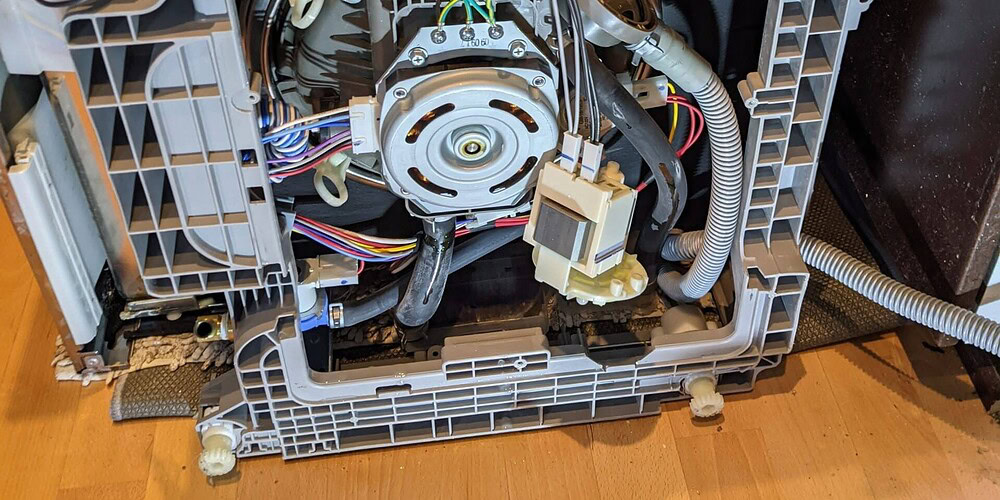
Your location within Nairobi can also influence repair costs. Technicians serving areas like Westlands, Karen, or Lavington may charge more due to higher operational costs and the affluence of the neighborhood. In contrast, repairs in areas like Eastlands or informal settlements might be slightly cheaper, though the difference is often marginal. Accessibility is another consideration. If the appliance is located in a high-rise building without an elevator, or in a hard-to-reach area, the technician may charge an additional service fee for the extra effort required to transport tools and parts. [caption id="attachment_24290" align="alignnone" width="600"]Appliance Repair in Nairobi Appliance Repair in Nairobi[/caption]

Average Repair Costs for Common Appliances in Nairobi

Below is a breakdown of the estimated repair costs for various household appliances in Nairobi. These figures are approximate and can vary based on the factors discussed above.

Refrigerators

Refrigerators are essential appliances in every Nairobi household, and their repair costs can vary widely. Common issues include compressor failure, thermostat problems, and leaky door seals. Repairing a faulty compressor, one of the most expensive refrigerator repairs, can cost between KSh 12,000 and KSh 25,000, including parts and labor. Replacing a thermostat or temperature sensor typically ranges from KSh 3,000 to KSh 8,000. Minor fixes, such as replacing a door gasket or unclogging a drain, usually cost between KSh 1,500 and KSh 5,000. For older models, it is often more cost-effective to replace the refrigerator rather than invest in expensive repairs. However, for newer, high-end models, repairing may still be a viable option, especially if the appliance is under warranty.

Washing Machines

Washing machines experience a range of issues, from motor failures to drainage problems. Replacing a washing machine motor can cost between KSh 8,000 and KSh 18,000, depending on the model and the type of motor. Repairing or replacing a faulty control board may set you back KSh 6,000 to KSh 15,000. Minor repairs, such as fixing a leaking hose or replacing a door latch, are more affordable, typically ranging from KSh 2,000 to KSh 6,000. Front-loading washing machines tend to be more expensive to repair than top-loading models due to their complex mechanisms. Additionally, machines with advanced features like steam wash or smart diagnostics may require specialized technicians, further increasing the cost.

Cookers and Ovens

Gas and electric cookers, as well as ovens, are prone to issues like faulty igniters, broken heating elements, and malfunctioning thermostats. Replacing a gas cooker igniter usually costs between KSh 2,000 and KSh 5,000, while fixing an electric cooker’s heating element can range from KSh 3,000 to KSh 8,000. Oven repairs, such as replacing a bake element or fixing a temperature sensor, typically cost between KSh 4,000 and KSh 12,000. For built-in ovens or high-end models with convection features, repair costs can be higher due to the complexity of the appliance and the need for specialized parts. Always ensure that gas cooker repairs are handled by certified professionals to avoid safety hazards.

Microwave Ovens

Microwave ovens are generally less expensive to repair compared to larger appliances. Common issues include a faulty turntable motor, a broken door switch, or a malfunctioning magnetron. Repairing a turntable motor or door switch usually costs between KSh 2,000 and KSh 5,000. Replacing a magnetron, which is the component that produces microwaves, can cost between KSh 5,000 and KSh 12,000, depending on the model. If the microwave is old or the repair cost exceeds 50% of the price of a new unit, it may be more economical to replace it. However, for newer or high-end models, repairing can extend the appliance’s lifespan significantly.

Air Conditioners

Air conditioners, particularly split-unit systems, are complex appliances that require specialized knowledge to repair. Common issues include refrigerant leaks, compressor failures, and faulty thermostats. Repairing a refrigerant leak can cost between KSh 5,000 and KSh 12,000, depending on the amount of refrigerant needed. Replacing a compressor is one of the most expensive repairs, ranging from KSh 15,000 to KSh 35,000. Regular maintenance, such as cleaning filters and checking refrigerant levels, can prevent costly repairs. However, if the air conditioner is old or inefficient, investing in a new, energy-efficient model may be a better long-term solution.

Dishwashers

Dishwashers are less common in Nairobi households but are still susceptible to issues like clogged filters, faulty pumps, and malfunctioning control panels. Repairing a dishwasher pump typically costs between KSh 4,000 and KSh 10,000, while replacing a control panel can range from KSh 6,000 to KSh 15,000. Minor repairs, such as unclogging a filter or replacing a spray arm, usually cost between KSh 2,000 and KSh 5,000. As with other appliances, the cost of repairing a dishwasher should be weighed against the price of a new unit, especially if the appliance is older or has a history of frequent breakdowns.

Labor Rates for Appliance Repair in Nairobi

Labor charges for appliance repair in Nairobi vary depending on the technician’s experience, the complexity of the job, and the location. On average, labor rates range from KSh 800 to KSh 3,500 per hour. Most repair jobs take between one and three hours to complete, depending on the issue. Some technicians charge a flat fee for specific repairs, such as replacing a washing machine belt or fixing a refrigerator door seal. Flat fees can range from KSh 1,500 to KSh 10,000, depending on the complexity of the task. Always clarify whether the quoted price includes both labor and parts, or if parts are billed separately. It is also worth noting that some repair services offer discounts for multiple appliances or bundled services. For example, if you need repairs for both a refrigerator and a washing machine, the technician may offer a reduced rate for the second repair. Additionally, some companies provide free diagnostic services, while others charge a fee that may be waived if you proceed with the repair.

Where to Get Appliance Repairs in Nairobi

Nairobi has a thriving market for appliance repair services, ranging from independent technicians to established companies. One of the most convenient ways to find a reliable repair service is through word-of-mouth recommendations from friends, family, or neighbors. Many Nairobi residents also rely on online platforms like Jumia, OLX, or Facebook Marketplace to find rated and reviewed technicians. Established repair companies, such as LG Service Center, Samsung Care, and Bruhm Appliance Repair, offer specialized services for their respective brands. These companies often have certified technicians, access to genuine parts, and warranty-backed repairs. However, their services may be more expensive than independent technicians. For those looking for more affordable options, local repair shops in areas like Ngara, Industrial Area, or Kariobangi offer competitive rates. These shops often handle a wide range of appliance brands and models, making them a good choice for generic repairs. However, it is essential to verify the technician’s expertise and the quality of parts used.

Tips for Saving Money on Appliance Repairs

Appliance repairs can be costly, but there are several strategies to save money without compromising on quality. First, always request multiple quotes from different technicians or repair services. This allows you to compare prices and negotiate for a better deal. Be wary of quotes that are significantly lower than the average, as they may indicate subpar parts or inexperienced labor. Regular maintenance is another effective way to reduce repair costs. Cleaning filters, checking hoses, and ensuring proper ventilation can prevent minor issues from escalating into major problems. Many appliances come with user manuals that include maintenance tips—following these guidelines can extend the lifespan of your appliances and reduce the need for repairs. If you are handy with tools, consider tackling minor repairs yourself. Many common issues, such as replacing a washing machine hose or cleaning a refrigerator coil, can be done with basic tools and a little research. Online tutorials and DIY guides can provide step-by-step instructions for simple fixes. However, always prioritize safety and avoid attempting repairs that involve gas lines, electrical wiring, or complex mechanical systems unless you are fully confident in your abilities. Purchasing extended warranties or service plans can also provide financial protection against unexpected repair costs. Many retailers and manufacturers offer extended warranties that cover parts and labor for a specified period. While these plans come at an additional cost, they can save you money in the long run, especially for high-end appliances. Finally, consider the age and condition of your appliance when deciding whether to repair or replace it. As a general rule, if the repair cost exceeds 50% of the price of a new appliance, it may be more economical to invest in a replacement. Additionally, newer appliances often come with improved energy efficiency, which can lead to long-term savings on utility bills.

When to Repair vs. Replace an Appliance

Deciding whether to repair or replace an appliance can be challenging. A good rule of thumb is to consider the 50% rule: if the cost of repairing the appliance is more than 50% of the cost of buying a new one, it is usually better to replace it. For example, if repairing your refrigerator will cost KSh 20,000 and a new refrigerator costs KSh 35,000, repairing may be the better option. However, if the repair cost is KSh 25,000 for a refrigerator that is already 8 years old, replacing it may be more cost-effective. Another factor to consider is the frequency of repairs. If an appliance has required multiple repairs in the past year, it may be a sign that it is nearing the end of its lifespan. In such cases, investing in a new appliance can save you money and hassle in the long run. Energy efficiency is also an important consideration. Older appliances tend to be less energy-efficient, leading to higher electricity or water bills. Upgrading to a newer, energy-efficient model can reduce your utility costs and offset the initial investment over time. Look for appliances with high energy star ratings, as these models consume less power and are more environmentally friendly. Finally, consider the environmental impact. Repairing an appliance extends its lifespan and reduces electronic waste, which is beneficial for the environment. However, if the appliance is outdated and energy-inefficient, replacing it with a modern, eco-friendly model may have a lower overall environmental footprint. Understanding the costs associated with appliance repair in Nairobi is essential for homeowners looking to manage their budgets effectively. By considering factors such as the type of appliance, the extent of damage, the availability of parts, and the technician’s expertise, residents can make informed decisions about repairs. Additionally, knowing the average repair costs for common appliances, as well as strategies for saving money, can help homeowners avoid overpaying and ensure they receive quality service. Whether you choose to repair or replace an appliance, it is important to weigh the costs and benefits carefully. Regular maintenance, timely repairs, and informed decision-making can extend the lifespan of your appliances, save you money, and contribute to a more sustainable lifestyle. In a city like Nairobi, where the cost of living continues to rise, being proactive about appliance care can make a significant difference in your household expenses.

› More Directory