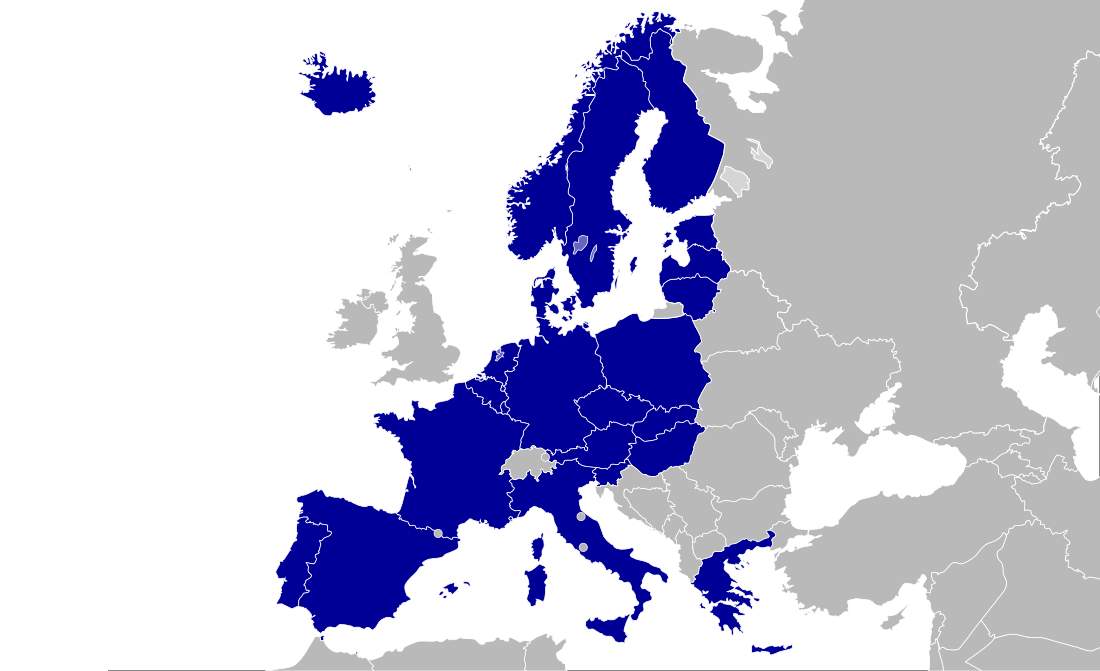
For Kenyan citizens planning to travel to Europe for tourism, visiting family or friends, business, medical treatment or other short-term purposes, a Schengen visa is generally required. A Schengen short-stay visa normally allows travel within the Schengen Area for up to 90 days in any 180-day period, subject to the conditions printed on the visa. Kenyan citizens are among the nationalities that require a visa for short stays in the Schengen states.
The application process requires applicants to demonstrate the purpose of their trip, adequate financial resources, accommodation arrangements, travel insurance and credible reasons for returning to Kenya after the visit. Requirements can vary depending on the destination country and the purpose of travel, so applicants should always check the embassy or official visa application centre responsible for their particular destination.
What Is a Schengen Visa?
A Schengen visa is a short-stay visa issued by a Schengen member state that can generally permit the holder to travel within the Schengen Area during the visa's validity, subject to the conditions of the visa.
It is commonly used for:
-
Tourism and holidays
-
Visiting relatives and friends
-
Business trips
-
Conferences and meetings
-
Medical treatment
-
Cultural or sporting activities
-
Short training or other permitted activities
A Schengen visa is not normally a work permit or long-term residence visa. Kenyans intending to work, study or remain in a Schengen country for longer than 90 days generally need to investigate the appropriate national visa or residence authorization instead.
Schengen Visa Requirements for Kenyans
The exact checklist depends on the embassy handling the application, but the main requirements commonly include a completed application form, valid passport, photograph, travel insurance, proof of accommodation, evidence of sufficient funds and documents demonstrating the purpose of the journey.
For example, the German Embassy in Nairobi requires applicants for visitor visas to submit a duly completed and signed application form, a current biometric photograph and the original passport with a copy of the passport information page. The passport must have at least two blank pages and remain valid for at least three months after the intended departure from the Schengen Area.
1. Valid Kenyan Passport
Your passport is one of the most important documents in a Schengen visa application. It should meet the validity requirements established by the relevant embassy.
The European Union's guidance for Kenyan applicants states that the passport should generally remain valid for at least three months after the planned departure from the Schengen Area and should have been issued within the previous ten years.
Applicants should also provide the required passport copies and, where applicable, evidence of previous international or Schengen travel.
2. Completed Visa Application Form
Applicants must complete the appropriate Schengen visa application form accurately and sign it where required.
The information should be consistent with the supporting documents. Differences between the application form, employment information, travel plans, financial documents or accommodation arrangements can create questions during assessment.
Depending on the destination country, applicants may complete the form through an online platform before attending the visa application centre.
3. Recent Passport Photograph
A recent biometric photograph is normally required. The photograph must comply with the applicable Schengen specifications concerning size, background, facial position and image quality.
Applicants should use a professional visa photograph service familiar with biometric requirements rather than submitting an ordinary personal photograph.
4. Proof of Travel Purpose
You need to demonstrate why you intend to visit the Schengen Area.
For a tourist trip, this may include a detailed itinerary and preliminary flight reservation. For a business trip, an invitation from the European company or organization may be required. Visitors travelling to see relatives or friends may need an invitation letter and documents relating to the person they intend to visit.
The European Union's guidance indicates that applications are assessed based on factors including the purpose of the journey, accommodation and financial means.
5. Proof of Accommodation
Applicants should provide evidence of where they will stay during the trip.
Depending on the circumstances, this could include:
-
Hotel reservations
-
Holiday accommodation
-
An invitation from a host
-
Proof of accommodation arranged by an employer or organization
-
Other acceptable accommodation documentation
The accommodation details should correspond with the travel itinerary and dates stated in the application.
6. Proof of Sufficient Funds
Financial documentation is an important part of Schengen visa requirements for Kenyans.
Applicants need to demonstrate that they have adequate funds to cover their trip and, where applicable, their return journey. Bank statements, salary information, payslips and other legitimate evidence of income can help demonstrate financial capacity.
The German Embassy in Nairobi, for example, requests bank statements covering the most recent three months and evidence of employment or other sources of financial support. Self-employed applicants may be asked for business registration documents and business or M-Pesa statements.
Applicants should avoid making unexplained large deposits shortly before submitting an application. Financial documents should present a credible picture of the applicant's normal income and expenditure.
7. Proof of Employment or Business
For employed applicants, a letter from the employer can demonstrate the applicant's position and approved leave. Recent salary slips may also be required.
Self-employed applicants can provide relevant business registration documents, permits and financial records. Students can submit proof of enrolment, while retirees may provide pension documentation.
These documents can help demonstrate the applicant's circumstances in Kenya and support the overall credibility of the application.
8. Evidence of Strong Ties to Kenya
One of the important considerations in a short-stay visa application is whether the applicant has credible circumstances requiring or encouraging them to return to Kenya.
Evidence can include:
-
Employment
-
Business ownership
-
Marriage
-
Children or other family responsibilities
-
Property ownership
-
Ongoing studies
-
Professional obligations
-
Other established commitments
The German Embassy specifically lists family connections and other ties to the country of residence among the documents that may be requested.
No single document guarantees approval. Visa decisions are based on the circumstances and evidence presented in the individual application.
Travel Medical Insurance
Travel health insurance is a core requirement for a Schengen visa.
The insurance should generally provide at least €30,000 in coverage for emergency medical treatment, hospitalization and medical repatriation and be valid throughout the Schengen Area for the requested period.
Applicants should ensure that their insurance policy satisfies the requirements of the embassy processing their application. The EU's Kenya travel guidance confirms the €30,000 minimum and the requirement for coverage throughout the Schengen countries.
Flight Itinerary
Applicants are generally expected to provide evidence of their intended travel arrangements. This can include a preliminary flight booking or itinerary.
It is important to distinguish between demonstrating intended travel and purchasing an expensive non-refundable ticket before the visa has been granted. The EU guidance specifically refers to a preliminary ticket booking or travel itinerary and states that it is not necessary to buy a flight ticket at that stage.
Visa Fees
The standard adult Schengen visa fee is currently €90, although exemptions and reduced fees apply to certain categories and ages. For example, the German Embassy in Nairobi currently lists €45 for children aged 6 to under 12 and no visa fee for children under six, while a separate service fee may apply when using the external application provider.
Because fees and service charges can change, applicants should confirm the current amount with the relevant embassy or official application centre before making payment.
Where Do Kenyans Submit a Schengen Visa Application?
There is no single embassy that processes every Schengen visa application. The application should generally be submitted to the country that is the applicant's main destination, according to the applicable Schengen rules.
For example, the German Embassy in Nairobi states that it handles applications where Germany is the applicant's main destination and that Schengen applications are submitted through TLScontact in Nairobi.
Applicants should therefore avoid choosing an embassy simply because they believe it may be easier to obtain a visa. The application should reflect the applicant's genuine travel plans and main destination.
Biometrics and the Visa Appointment
Applicants may need to attend an appointment in person to submit documents, provide fingerprints and have their photograph taken, depending on the applicable rules and whether their biometric data can be reused.
The German Embassy's Nairobi guidance states that applicants attend their TLScontact appointment in person, submit their documents, pay the applicable fee and answer questions about their planned trip. Fingerprints and photographs are also taken during the appointment.
Applicants should organize their documents before the appointment and carry originals and copies where required.
How Long Does a Schengen Visa Take?
Processing times vary by embassy, season, application type and individual circumstances.
For example, the German Embassy in Nairobi states that complete applications are normally processed in approximately two weeks, although processing can take longer and incomplete applications may take up to 45 days. Applications should generally be lodged no later than 15 calendar days before the intended journey and may be submitted up to six months before the planned visit.
For this reason, applicants should begin preparations well before their intended departure date.
Common Mistakes to Avoid
When preparing an application, Kenyan travellers should avoid:
-
Providing false or altered documents.
-
Giving inconsistent information about the purpose of travel.
-
Submitting unexplained financial transactions.
-
Providing an itinerary that does not match accommodation bookings.
-
Buying non-refundable travel arrangements unnecessarily.
-
Submitting incomplete documentation.
-
Ignoring the specific checklist of the responsible embassy.
-
Applying to the wrong Schengen country.
-
Using unverifiable accommodation or invitation documents.
-
Waiting until the last minute to submit the application.
The German Embassy specifically warns that incomplete applications can delay processing and may lead to refusal. It also emphasizes that submitting a complete application does not automatically guarantee visa issuance.
Final Checklist for Kenyan Applicants
Before submitting your application, check that you have the appropriate:
-
Valid passport
-
Completed and signed visa application form
-
Recent biometric photograph
-
Passport copies
-
Flight itinerary
-
Accommodation evidence
-
Travel medical insurance
-
Recent bank statements
-
Employment or business documents
-
Evidence of ties to Kenya
-
Invitation documents, where applicable
-
Previous travel documentation, where applicable
-
Additional documents for minors, where applicable
-
Correct visa and service fees
The exact requirements can differ according to the Schengen country, travel purpose and applicant's circumstances. The official embassy or visa application centre should therefore be treated as the final authority before submission. The European Union's Kenya guidance also advises applicants to consult the website of the country they intend to visit for current information.
For Kenyans planning a European holiday, business trip, family visit or other short stay, preparing the application carefully is one of the most important steps. Strong documentation should tell a consistent story: why you are travelling, where you will stay, how the trip will be funded and why you are expected to return to Kenya after the visit. A well-organized application does not guarantee approval, but it can help ensure that the visa officer has the information needed to assess your case properly.