
Transferring from one hospital to another can be a critical step in ensuring you or a loved one receives the best possible medical care. In Kenya, where the healthcare system is structured into tiered levels from community units to national referral hospitals, understanding the process is essential for smooth navigation. Whether due to the need for specialized treatment unavailable at your current facility or personal preferences like proximity to family, hospital transfers involve medical, logistical, legal, and financial considerations. This guide explores the process in detail, drawing from Kenya's health sector guidelines, to help you make informed decisions. We'll cover steps, nuances, edge cases, and implications, focusing on the Kenyan context, including Nairobi-specific insights.
Understanding Hospital Transfers in Kenya
Kenya's healthcare is divided into six levels as per the Kenya Health Policy 2014-2030: Level 1 (community services), Level 2 (dispensaries), Level 3 (health centers), Level 4 (sub-county hospitals), Level 5 (county referral hospitals), and Level 6 (national teaching and referral hospitals like Kenyatta National Hospital (KNH) in Nairobi or Moi Teaching and Referral Hospital). Transfers typically occur upward for advanced care, such as from a Level 3 health center to a Level 5 hospital for surgery. However, reverse referrals (downward) happen for follow-up care closer to home.
The Kenya Health Sector Referral Strategy 2014-2018 and Implementation Guidelines emphasize continuity of care, defining a referral as the transfer of a patient for consultation, treatment, or review. This system aims to optimize resources but faces challenges like inadequate ambulances or documentation gaps, as noted in studies from Western Kenya where only 56% of transfers used ambulances and monitoring was often insufficient. In Nairobi, with facilities like Aga Khan University Hospital or The Nairobi Hospital, private-to-public or inter-private transfers are common for cost or expertise reasons.
Nuances include voluntary vs. mandatory transfers: Patients have rights under the Kenya Constitution (Article 43 on health) to choose facilities, but emergencies may override preferences. Implications: Delays can worsen conditions, highlighting the need for preparedness.
Reasons for Transferring Hospitals
Common triggers include:
- Specialized Care: Moving to a facility with advanced equipment, e.g., from a rural dispensary to KNH for neurosurgery.
- Capacity Issues: Overcrowding at the current hospital, especially in public ones during peaks like disease outbreaks.
- Patient Preference: Seeking better amenities, shorter waits, or family support in Nairobi.
- Cost Management: Shifting to a more affordable public hospital or one covered by NHIF (National Health Insurance Fund).
- Emergencies: Urgent needs like trauma requiring Level 6 intervention.
Edge cases: Mental health transfers under the Mental Health Act may involve court orders; pediatric cases prioritize child welfare. Related considerations: Cultural factors, like preferring facilities with language support in diverse Nairobi, or gender-sensitive care.
Step-by-Step Guide to the Transfer Process
- Consult Your Doctor: The process starts with your attending physician assessing the need. They identify if the current facility lacks resources and recommend a suitable receiving hospital.
- Obtain Referral Approval: For public facilities, contact the receiving hospital's referral office (e.g., KNH's) for concurrence. This enforces guidelines to prevent unnecessary walk-ins.
- Prepare Documentation: Secure a referral letter detailing medical history, diagnosis, treatments, and reasons for transfer. Include test results, NHIF card, and ID.
- Stabilize the Patient: Ensure the patient is stable for transport—administer fluids, oxygen, or splints as needed.
- Arrange Transportation: Use ambulances for critical cases. In Nairobi, services like St John Ambulance (0721 225 285) provide affordable transfers with paramedics. Costs: Fixed fee plus per-km charge. Private options or county ambulances (e.g., Nairobi Metropolitan Services) are alternatives.
- Handover at Receiving Facility: Upon arrival, provide documents for seamless admission. Follow-up ensures continuity.
For visuals, here's a related flowchart on referral processes in Kenyan healthcare contexts:
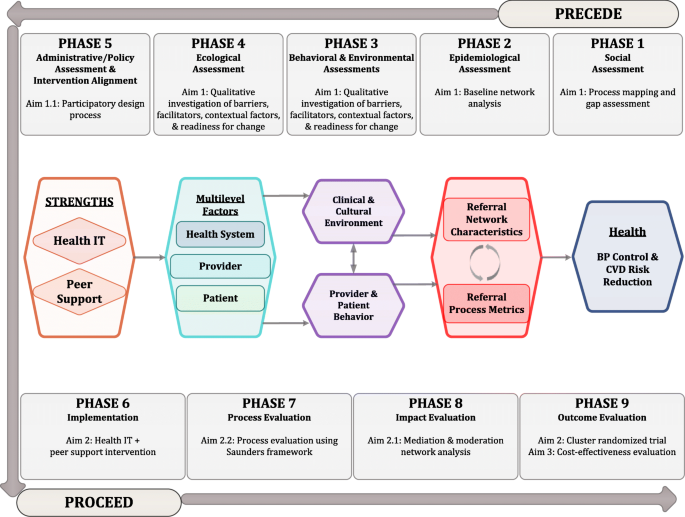
Strengthening Referral Networks for Management of Hypertension ...
Implications: In rural-urban transfers, logistics like road conditions delay; plan for traffic in Nairobi.
Required Documentation and Legal Aspects
Key documents: Referral form (standardized under guidelines), medical records, consent forms, and insurance details. Legally, the Medical Practitioners and Dentists Act regulates referrals abroad but applies principles domestically. Patient rights include informed consent; refusal possible unless life-threatening.
Edge cases: International transfers (e.g., to India) require medical visas and coordination, as offered by Aga Khan for inbound patients. Challenges: Forged documents risk denial; ensure authenticity.
Transportation and Ambulance Services
Ambulances are vital for safe transfers, providing monitoring enroute. Studies show gaps: Only 24% monitored vital signs in Western Kenya transfers. In Nairobi, options include county services (free for emergencies) or private like Red Cross. Best practices: Choose equipped vehicles; accompany with a nurse if needed.
Nuances: Air ambulances for long distances, though costly. Implications: Poor transport can lead to complications; advocate for escorts.
Financial Considerations and Insurance
Costs vary: Public transfers may be covered by NHIF, but private ones incur fees (e.g., KSh 5,000-20,000 for ambulances). Private insurance like Jubilee or CIC covers inter-hospital moves. Out-of-pocket in Nairobi's high-end hospitals can exceed KSh 100,000.
Edge cases: Uninsured patients face barriers; apply for waivers at public facilities. Related: Post-transfer bills—budget for follow-ups.
Special Cases: Emergencies, Mental Health, and Pediatrics
- Emergencies: Urgent referrals bypass some steps; stabilize and transport immediately via 119 or county services.
- Mental Health: Involuntary under legal oversight.
- Pediatrics: Parental consent mandatory; prioritize child-friendly facilities.
- International: Visas, flight logistics for outbound.
Challenges: In pandemics, restrictions apply; teleconsults as alternatives.
Tips and Best Practices
- Communicate early with both hospitals.
- Pack essentials: Medications, personal items.
- Seek family support for logistics.
- Follow up post-transfer for records.
- Use apps like NHIF's for coverage checks.
In Nairobi, leverage networks like Reddit communities for advice.
Transferring hospitals in Kenya requires careful planning to ensure safety and continuity. By following these steps and understanding the tiered system, you can navigate the process effectively. Consult professionals promptly, and remember, patient advocacy is key. For personalized advice, contact your local health facility or NHIF. This approach not only addresses immediate needs but also contributes to better health outcomes in a resource-constrained environment